of Period Louis XVI/Directoire Painted Arm Antique Chairs Circa 1790
Furniture is movable items intended to support various individual activities such as seating (e.g., seats, stools, dining tables and sofas) and sleeping (e.g., mattresses). Furniture is also used to hold objects at a convenient height for work (as horizontal floors above the bottom, such as tables and tables), or to store things (e.g., cupboards and racks). Furniture can be a product of design and is known as a form of decorative art. Furthermore to furniture's practical role, it can provide a religious or symbolic purpose. It can be created from many materials, including metal, plastic, and wood. Furniture can be produced by using a variety of woodworking bones which often reveal the neighborhood culture.People have been using natural items, such as tree stumps, rocks and moss, as furniture since the beginning of real human civilisation. Archaeological research implies that from around 30,000 years ago, people began carving and constructing their own furniture, using wood, natural stone, and animal bone fragments. Early furniture from this period is well known from artwork like a Venus figurine within Russia, depicting the goddess on the throne. The first surviving extant furniture is in the homes of Skara Brae in Scotland, and includes cupboards, dressers and bedrooms all constructed from rock. Complex construction techniques such as joinery begain in the first dynastic period of Egypt, with constructed wooden pieces including stools and tables, sometimes decorated with valuable metals or ivory. The evolution of furniture design continued in ancient Greece and ancient Rome, with thrones being commonplace as well as the klinai, multipurpose couches used for relaxing, eating, and sleeping. The furniture of the Middle Age groups was usually heavy, oak, and ornamented. Furniture design broadened through the Italian Renaissance of the fourteenth and fifteenth century. The seventeenth century, in both Southern and Northern Europe, was characterized by opulent, gilded Baroque designs often. The nineteenth century is usually defined by revival styles. The first three-quarters of the twentieth century are often seen as the march towards Modernism. One unique outgrowth of post-modern furniture design is a go back to natural shapes and textures
19th Century Pine Box Settle UK Antique Settles Oak Furniture UK
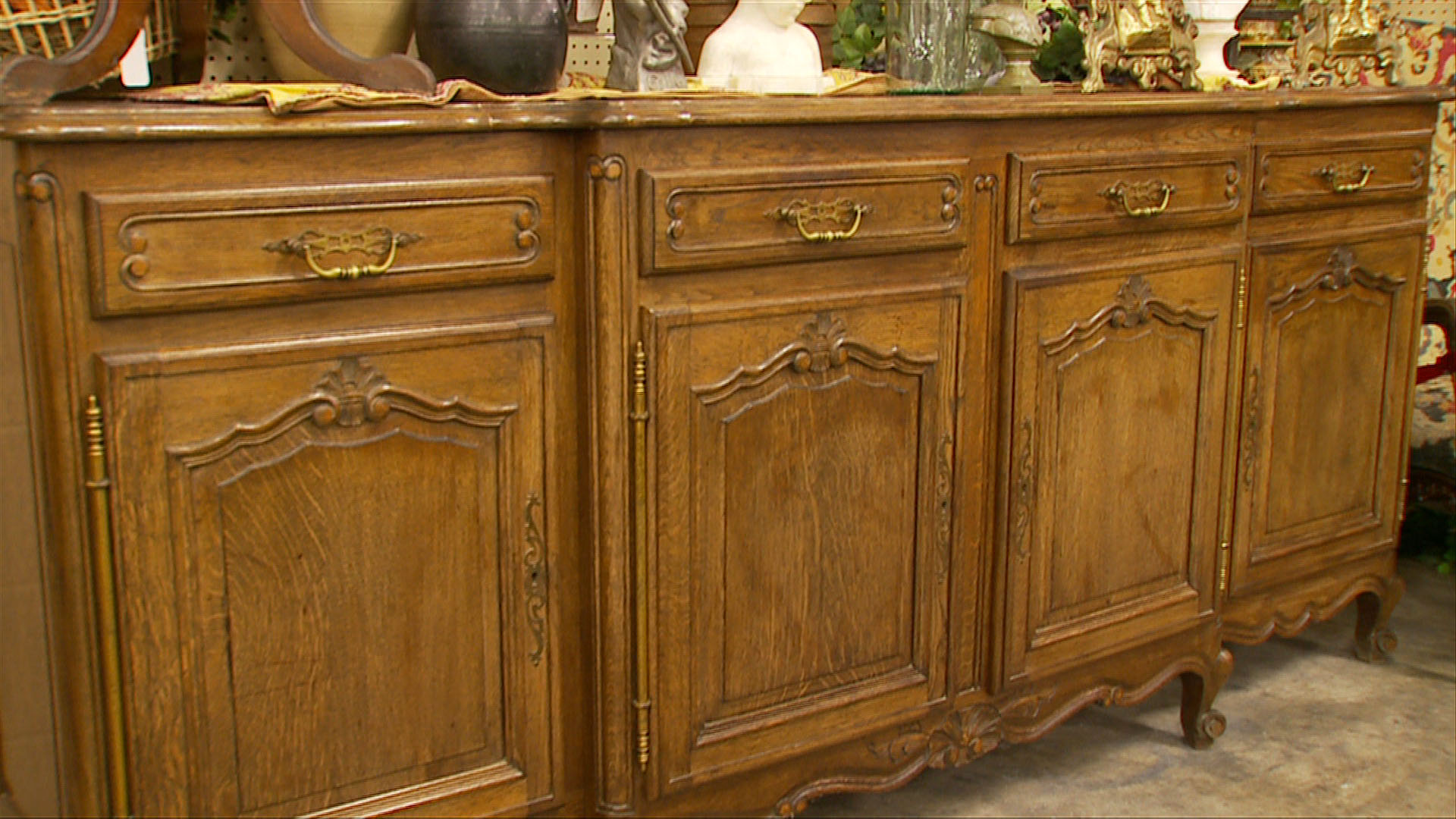
French Country Furniture at Relics Antique Mall Relics Antique Mall
the original beauty of antique and wood furniture with Wood Elixir
 Furniture is movable items intended to support various individual activities such as seating (e.g., seats, stools, dining tables and sofas) and sleeping (e.g., mattresses). Furniture is also used to hold objects at a convenient height for work (as horizontal floors above the bottom, such as tables and tables), or to store things (e.g., cupboards and racks). Furniture can be a product of design and is known as a form of decorative art. Furthermore to furniture's practical role, it can provide a religious or symbolic purpose. It can be created from many materials, including metal, plastic, and wood. Furniture can be produced by using a variety of woodworking bones which often reveal the neighborhood culture.People have been using natural items, such as tree stumps, rocks and moss, as furniture since the beginning of real human civilisation. Archaeological research implies that from around 30,000 years ago, people began carving and constructing their own furniture, using wood, natural stone, and animal bone fragments. Early furniture from this period is well known from artwork like a Venus figurine within Russia, depicting the goddess on the throne. The first surviving extant furniture is in the homes of Skara Brae in Scotland, and includes cupboards, dressers and bedrooms all constructed from rock. Complex construction techniques such as joinery begain in the first dynastic period of Egypt, with constructed wooden pieces including stools and tables, sometimes decorated with valuable metals or ivory. The evolution of furniture design continued in ancient Greece and ancient Rome, with thrones being commonplace as well as the klinai, multipurpose couches used for relaxing, eating, and sleeping. The furniture of the Middle Age groups was usually heavy, oak, and ornamented. Furniture design broadened through the Italian Renaissance of the fourteenth and fifteenth century. The seventeenth century, in both Southern and Northern Europe, was characterized by opulent, gilded Baroque designs often. The nineteenth century is usually defined by revival styles. The first three-quarters of the twentieth century are often seen as the march towards Modernism. One unique outgrowth of post-modern furniture design is a go back to natural shapes and textures

 Thank for Reading this Page

No comments:
Post a Comment